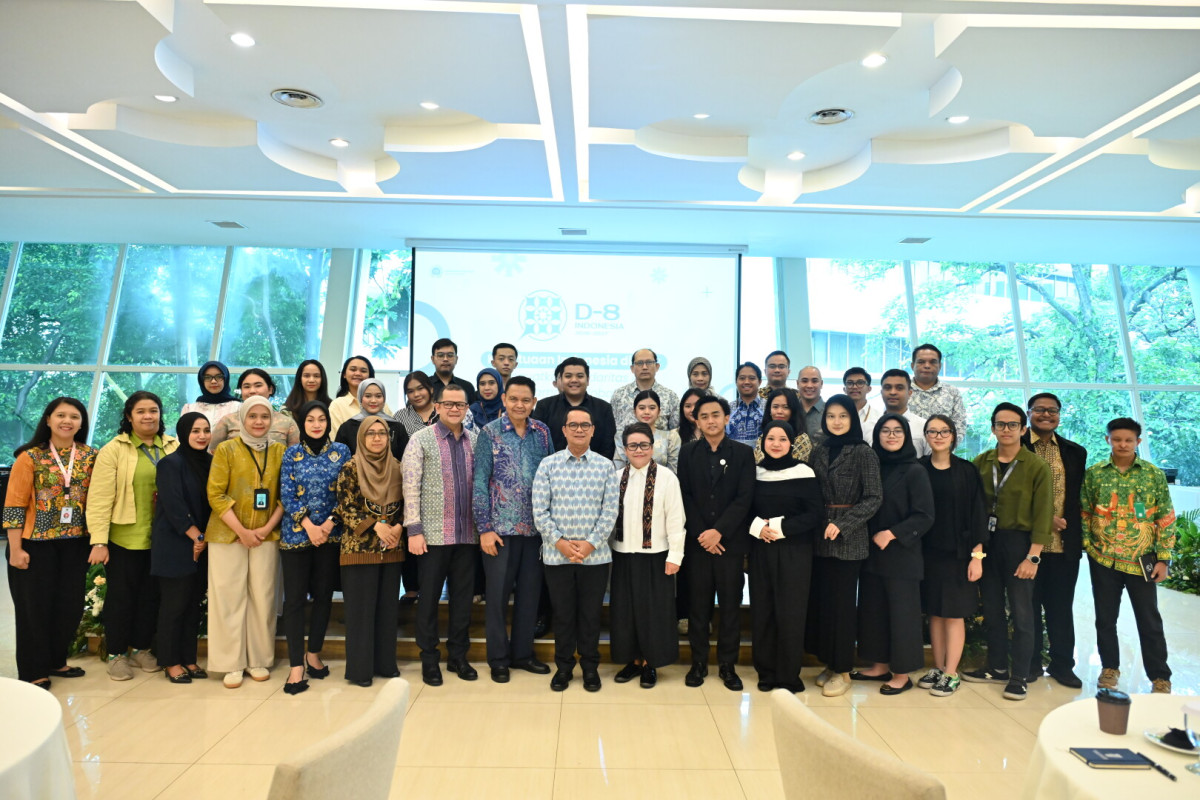
Indonesia is officially taking over the chairmanship of the Developing-8 (D-8) economic cooperation forum for the 2026–2027 period. As a major milestone of this leadership, Jakarta has been chosen to host the12th D-8 Summit, scheduled for April 2026.
The high-level meeting will carry the theme "Navigating Global Shifts." The main focus will revolve around five priority agendas: strengthening the economies of Muslim-majority nations and fostering Global South solidarity.
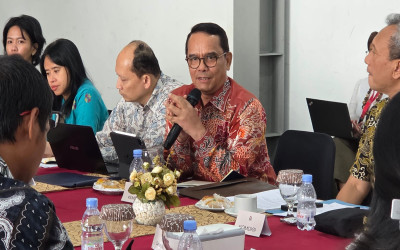
Ambassador Tri Tharyat stated that Indonesia’s role in the D-8 represents a highly strategic momentum. This move is not just about leadership, but an effort to strengthen economic diplomacy and the collective bargaining power of developing nations in facing multilateral challenges and global geopolitical dynamics.
In a statement published on the Ministry of Foreign Affairs website, Ambassador Tri Tharyat emphasized:
“D-8 is a strategic economic forum for the Global South. Amid geopolitical dynamics and challenges to multilateralism, Indonesia’s chairmanship of the D-8 will be an important vehicle to strengthen equality, solidarity, and concrete economic cooperation.”
Understanding the Strength of the D-8
The D-8 is an economic cooperation organization consisting of nine developing countries: Azerbaijan, Bangladesh, Egypt, Indonesia, Iran,Malaysia, Nigeria, Pakistan, and Türkiye.
In terms of economic power, this bloc is significant. The D-8 represents approximately 1.3 billion people with a collective Gross Domestic Product (GDP) of about USD 5.1 trillion. Furthermore, intra-D-8 trade is recorded at approximately USD 157 billion.
With a vast geographical reach spanning from Southeast Asia to Africa, the D-8 is positioned as a driving force for South-South economic cooperation. Director General Tri also added that international studies project D-8 member countries will become major global economic powers by 2050. This makes involvement in the D-8 a vital political and foreign relations investment.
How Does It Differ from the G20?
While the D-8 focuses on developing nations, the G20 (Group of Twenty) is a premier multilateral forum with a broader global scale. The G20 consists of 19 major economies plus the European Union and the African Union. This forum controls 85% of world GDP, 75% of global trade, and 80% of the world's population.
The G20 was established in 1999 as a response to the international community's disappointment with the G7's inability to solve global economic issues at the time. The prevailing view was that middle-income countries with systemic economic influence must be included in discussions to find solutions for global economic problems.
Indonesia made history as the first Southeast Asian country to hold the G20 Presidency, culminating in the Bali Summit in November 2022. At that time, Indonesia introduced the theme "Recover Together, Recover Stronger," focusing on three main agendas: global health architecture, digital transformation, and energy transition. Through this forum, Indonesia invited the world to support one another for a sustainable recovery.
Strategic Benefits for Indonesia
Participating in international forums like the G20 provides tangible benefits for Indonesia. Quoting information from the Ministry of Finance, as a member of the G20, Indonesia gains early access to information and knowledge regarding global economic developments and potential risks, as well as economic policies implemented by other countries, particularly developed ones.
These benefits help the government prepare more accurate economic policies. Furthermore, Indonesia can champion its national interests with international support while strengthening its reputation and achievements in the eyes of the world.