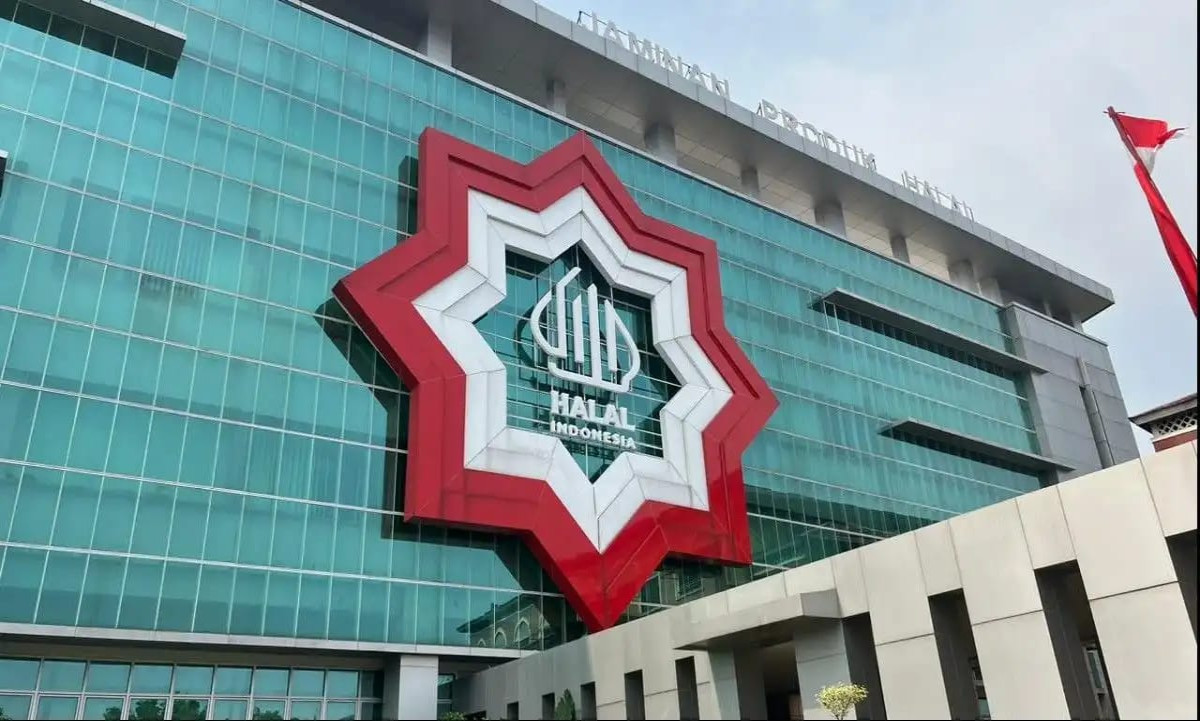
Indonesia is prioritizing the development of a global halal value chain as a central pillar of its chairmanship of the Developing Eight (D-8) organization. The initiative aims to strengthen economic ties among member states and is one of five strategic priorities established for the 2026 term.
The D-8, originally founded to foster economic cooperation, is expanding its focus beyond traditional sectors to improve living standards across its member nations. Under Indonesia's leadership, the organization is focusing on halal economy development alongside trade integration, preferential trade agreements, the blue and green economy, and digital institutional strengthening.
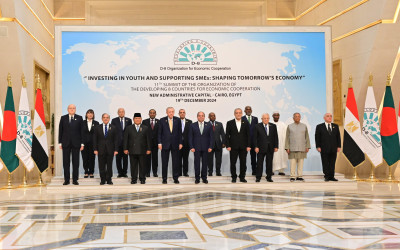
President Prabowo Subianto emphasized the importance of this sector during the 11th D-8 Summit held in Cairo, Egypt, in December 2024. He called for the creation of a robust framework to facilitate trade and production among the group’s members.
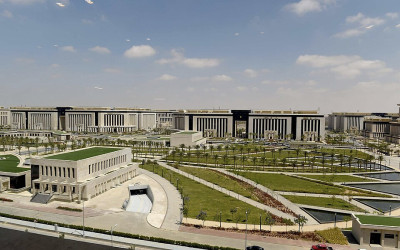
"To give more tangible benefits for our peoples, D-8 must deepen economic integration and cooperation. Amongst others, we must implement effectively the Preferential Trade Agreement between us," Prabowo stated during the summit at the New Administrative Capital.
The President further noted the technical requirements needed to achieve these economic goals. "We also must establish a streamlined and simplified customs procedures within intra-D-8 trade. We must also create halal value chain through a strengthened D-8 halal economic network," he said.
Following the start of Indonesia's chairmanship in January 2026, the organization has moved to implement concrete steps toward these missions. A major component of this plan is the D-8 Halal Expo Indonesia 2026, scheduled to take place at Tennis Indoor Senayan, Jakarta, from April 14 to 18.
The expo, themed "Strengthening D-8 Halal Economy Through International Collaboration," is designed to bring together global delegates, suppliers, and industry experts to build partnerships. The event involves coordination between the Ministry of Foreign Affairs, the D-8 Organization, the National Sharia Economy and Finance Committee (KNEKS), and the Indonesian Chamber of Commerce and Industry (KADIN) to expand international engagement.
The global halal market is projected to reach a value of USD 3.36 trillion by 2028. Within Indonesia, household consumption was recorded at 3,226.1 trillion rupiah in the first quarter of 2025, driven by a population of 245.97 million Muslims, the largest in the world.
Tag: