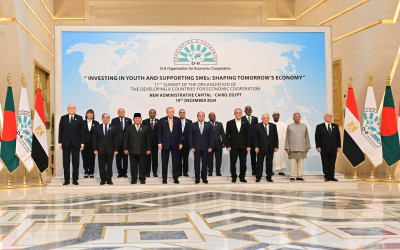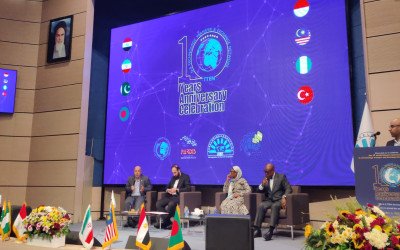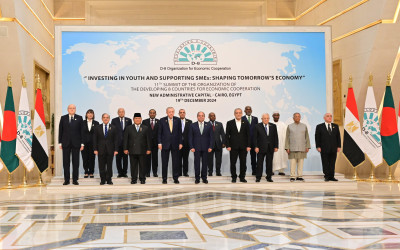
The Developing-8 (D-8) Organization for Economic Cooperation continues to solidify its position as a vital pillar of global economic stability. Representing 15.6% of the world’s population, approximately 1.2 billion people. The organization now contributes 4.5% to the global GDP, valued at USD 4.9 trillion. By fostering collaboration among developing nations, the D-8 is committed to addressing contemporary global challenges, ranging from food security to sustainable energy independence.
The trade performance of D-8 member states has demonstrated a steady positive trend. Between 2020 and 2024, D-8 export values recorded a significant increase of 9.1%. The manufacturing and energy sectors remain the primary engines of growth, with electronic circuits and petroleum oils as leading commodities.
According to Ministry of State Secretariat of the Republic of Indonesia 2024 data, the D-8's trade connectivity with global strategic partners remains robust. China, the United States, Singapore, Germany, and Japan are the top export destinations, underscoring the critical role of member states in the global supply chain.
Renewable Energy Transition
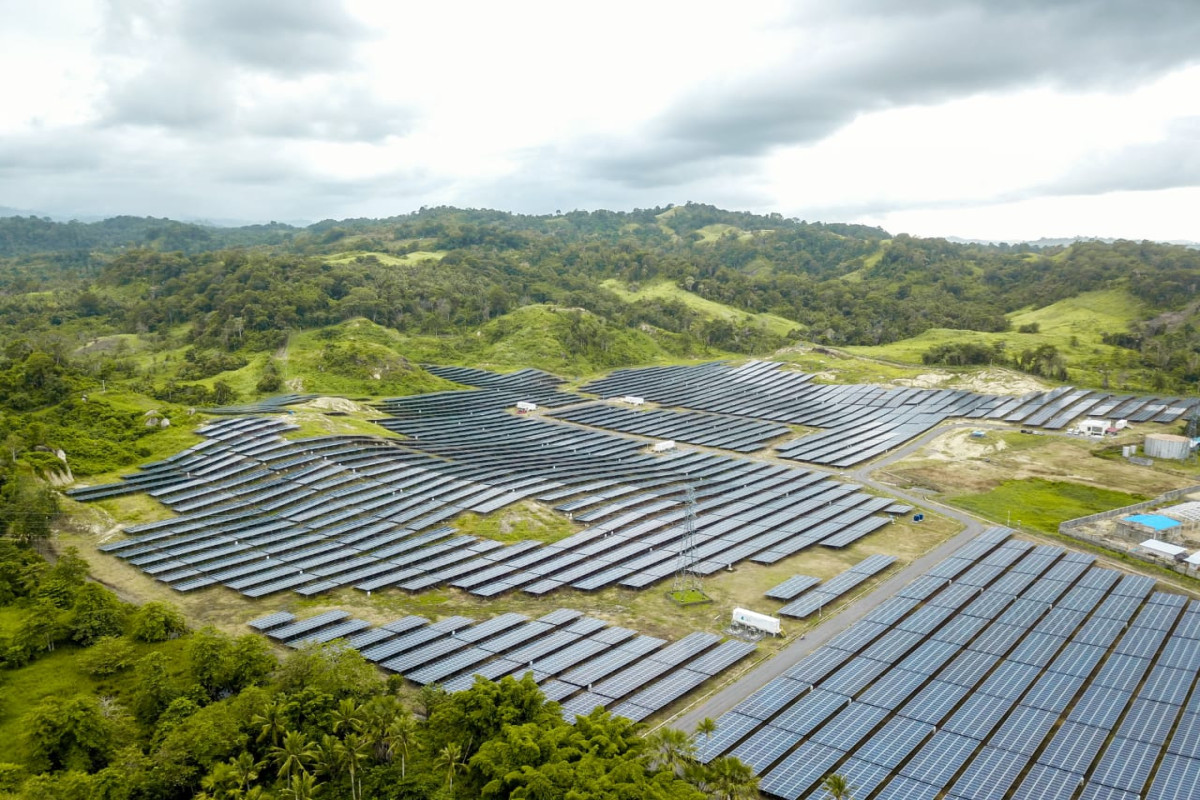
Amidst the global climate crisis, the D-8 has prioritized the transition toward clean energy systems. Recent research (2000–2023) highlights that Foreign Direct Investment (FDI) serves as a crucial top-down mechanism in enhancing renewable energy infrastructure capacity across member states.
A key finding from the study indicates that the benefits of foreign finance on the energy transition are most effective when supported by high levels of globalization. Globalization plays a pivotal role in:
Technology Transfer: Accelerating the diffusion of green technological innovations between nations.
Policy Convergence: Encouraging the adoption of international environmental standards at the domestic level.
Market Access: Opening export pathways for renewable energy equipment and services.
Member states such as Malaysia and Türkiye have successfully consolidated liberalized energy markets to attract multinational investors for large-scale renewable projects. Meanwhile, remittance flows in countries like Bangladesh, Pakistan, and Nigeria contribute significantly to clean energy development at the household level and through microgrid projects.
Building on the success of the "D-8 Week" held in Baku, Azerbaijan, in October 2025, the organization is intensifying efforts to implement the D-8 Decennial Roadmap 2020–2030. Future priorities include strengthening institutional coordination, developing green infrastructure, and building climate-resilient sustainable cities.
"Optimizing the benefits of foreign capital can only be achieved through globally integrated economies and robust institutional frameworks," stated the D-8 Secretariat. With this vision, the D-8 remains optimistic in leading an inclusive energy transition while bolstering the economic independence of developing nations in the international market.